4G/5G Wireless Video Surveillance System Solution for Forest Fire Prevention and Nature Reserves
With the increasing global emphasis on wildlife nature reserves, wireless video surveillance systems have been widely applied in forest protection areas. The new generation of wireless security surveillance systems, based on 4G/5G network technology, utilizes the real-time transmission capabilities of mobile broadband networks to achieve efficient integrated transmission of video, audio, and data. This solution features a simple structure, comprehensive functions, and flexible deployment, capable of overcoming geographical and terrain limitations, making it the mainstream trend for future forest fire prevention and the information construction of nature reserves.
I. Project Overview
1.1 Industry Background and Requirements
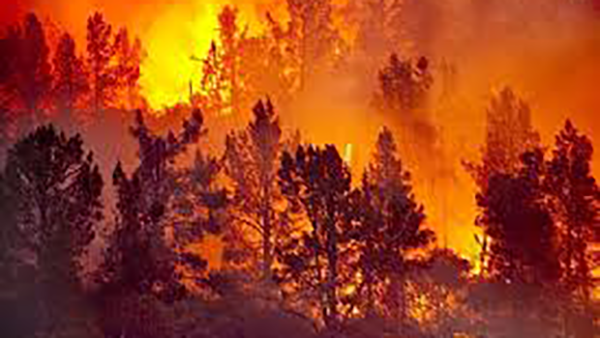
National nature reserves possess precious forest ecological resources, yet forest fires remain a major threat. Traditional fire management relies on manual patrols, which are inefficient and have blind spots. With the advancement of information construction, establishing a remote image surveillance system using 3G/4G/5G wireless technology has become key to achieving “early detection and early resolution” of forest fires. This system can effectively integrate existing information networks, reduce redundant construction, and meet the information sharing needs of multiple departments.
1.2 System Composition
This system is specifically designed for the geographical characteristics of wildlife nature reserves and mainly consists of the following three parts:
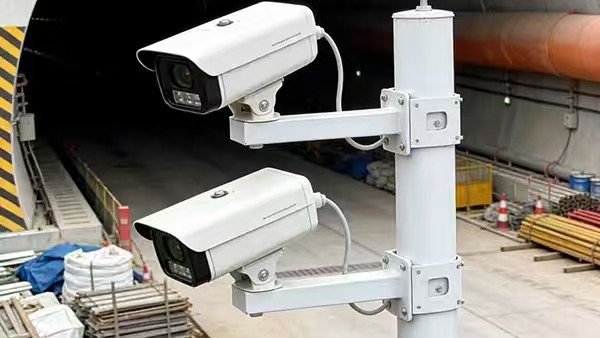
- Front-end Image Acquisition System: Includes cameras, power supply systems, etc., responsible for on-site video and audio collection;
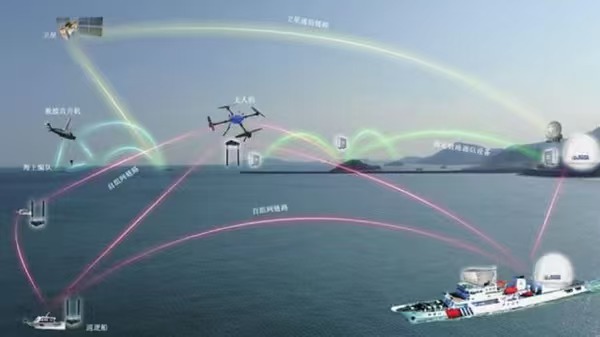
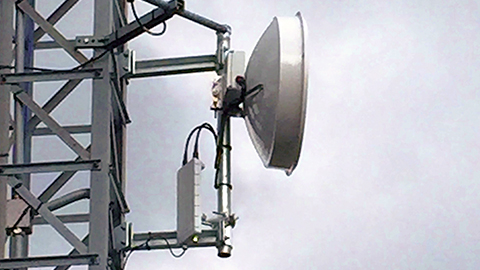
- Wireless Transmission System: Utilizes 4G/5G networks for data transmission, breaking geographical limitations;
- Back-end Monitoring Management and Command System: Realizes central monitoring, multi-level networking, and command dispatch.
1.3 Key Technical Features
Selects infrared light-sensitive telephoto lenses and heavy-duty PTZ (Pan-Tilt-Zoom), equipped with fog penetration functions, ensuring clear detection of long-distance small-area fires even in severe weather. The equipment adopts carbon fiber protective housing, preventing fogging and condensation.
Introduces intelligent video analysis technology to automatically identify smoke and fire, triggering alarm recording linkage, changing the status quo of relying solely on manual monitoring, and achieving automatic early warning.
Addressing the difficulty of maintenance in mountainous areas, the system supports remote monitoring of front-end equipment status, reducing maintenance costs and ensuring stable system operation.
1.4 Design Principles and Standards
The system design follows the principles of practicality, reliability, advancement, and openness, complies with national security standards such as GA/T75-94 and GB50198-94, and adopts international standard communication protocols to ensure good scalability and interoperability.
II. System Design and Construction Goals
2.1 Overall Layout and Construction Goals
Select key monitoring points in key fire danger forest areas and install 4G/5G front-end monitoring equipment. Transmit video signals to the monitoring center via wireless networks to achieve:
- Real-time Monitoring and Early Warning: All-weather monitoring of fire situations with automatic identification and alarming;
- Remote Command and Dispatch: The monitoring center can control front-end PTZ and view vehicle operation status;
- Effective Resource Protection: Achieve “early fire extinguishing and small fire extinguishing” to protect the forest ecological environment.
2.2 Functions of Monitoring Center and Sub-control Terminal
As the signal control and information exchange center of the system, it is equipped with digital hard disk video recorders and large-screen display systems, responsible for comprehensive system management, video storage, alarm processing, and command dispatch.
Used by leaders or management personnel, connecting to the main control equipment via computers installed with dedicated sub-control software. With appropriate permissions, it allows remote viewing of real-time images and video recordings, realizing hierarchical management.
III. Detailed Functional Solution
3.1 Core Functions
- Multi-terminal Mobile Browsing: Supports browsing on 5G/4G/3G mobile phones and various mobile terminals, allowing video viewing, recording switching, snapshot capturing, and PTZ control anytime, anywhere.
- Intelligent Video Analysis: Features intelligent analysis functions such as motion detection, perimeter intrusion, object loss, and people counting. Supports alarm linkage recording (pre-recording 10-20 seconds) and provides RS485/RS232 interfaces to connect external alarm equipment.
- Two-way Voice Intercom: Supports two-way voice transmission between the monitoring center and the front-end site, facilitating remote command and voice dispersal.
- Large-scale Networked Management: Supporting carrier-class video management platform, capable of managing tens of thousands of devices online, with perfect user permission management and remote configuration functions.
3.2 Solution Advantages
One HD stream for local storage and one low bit-rate stream for wireless transmission, balancing image quality and bandwidth.
Compatible with multiple network standards including GPRS/CDMA/EDGE/3G/4G/5G, offering strong adaptability.
Provides alarm input/output and transparent channel interfaces, offering strong expandability.