WIFI Mesh emergency communication network, handheld self-organizing network, central network-less communication equipment
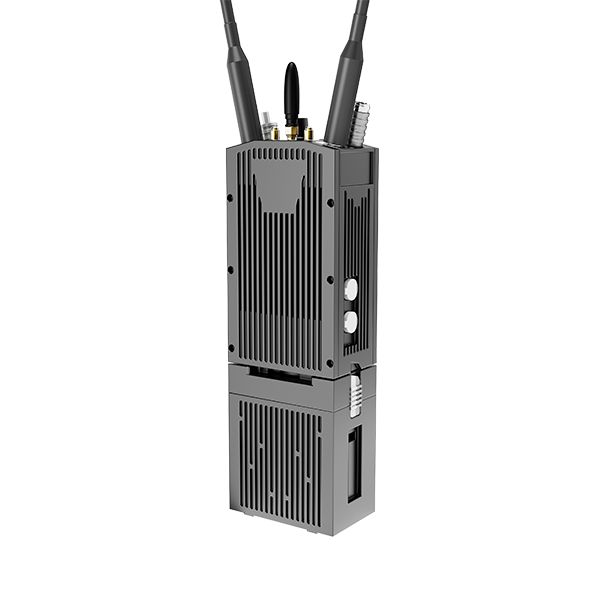
Product Introduction The CHX-602 handheld MANET/MESH terminal features an attractive design with a compact form factor for handheld or portable use. Built on an infrastructureless, distributed MANET architecture, it requires no central gateway. If any node in the group goes offline, nodes...
Product Introduction
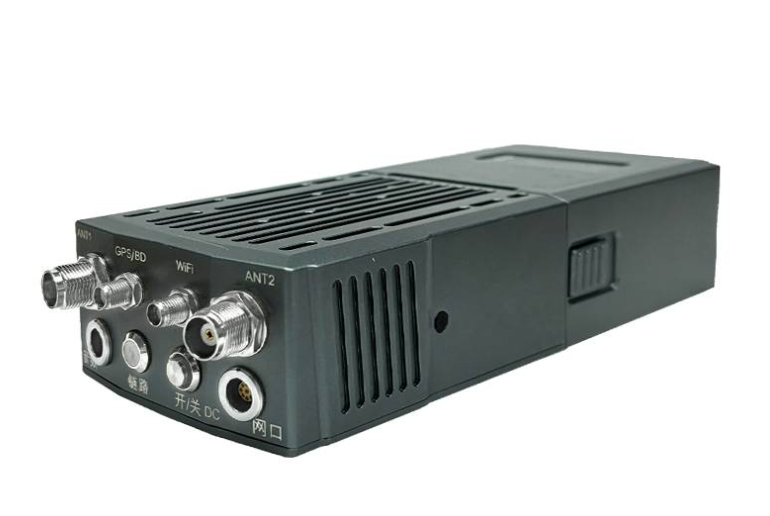
The CHX-602 handheld MANET/MESH terminal features an attractive design with a compact form factor for handheld or portable use. Built on an infrastructureless, distributed MANET architecture, it requires no central gateway. If any node in the group goes offline, nodes within effective coverage automatically re-establish communications with peers to maintain overall network continuity. It provides a transparent IP transport channel for multimedia services such as video, voice, and data, and is widely applicable across public security, firefighting, power utilities, oil & gas, water conservancy, forestry, broadcasting, medical services, maritime, and airborne communications.
Key Features
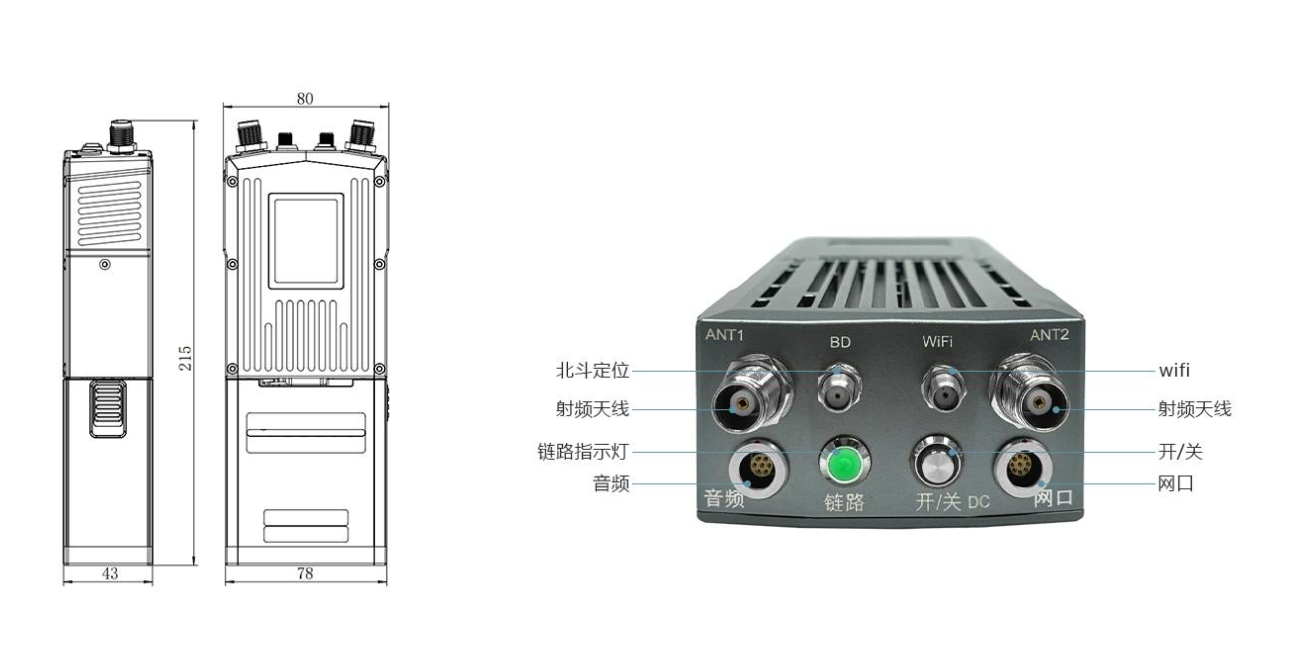
- Wideband Communications Supports a 1420–1520MHz wideband operating band for complex terrain; band customization available
- HD Display Built-in display for device status, link status, straight-line distance to nodes, etc.; rapid configuration via on-screen buttons
- Intelligent Channel Selection Supports intelligent channel selection; 5/10/20MHz bandwidth adjustable
- Battery Indicator Touch-activated battery display; tap to show the current battery level
- Efficient Management Provides PC and mobile app management tools, supporting dynamic topology, link-status monitoring, and real-time configuration
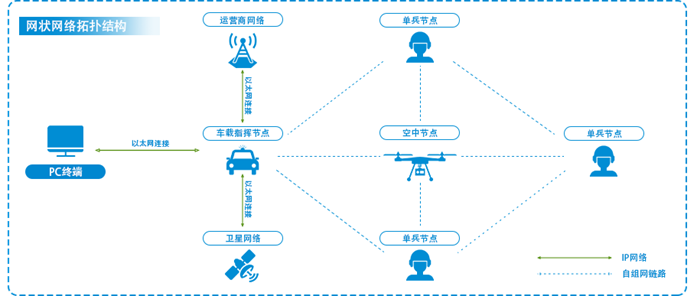
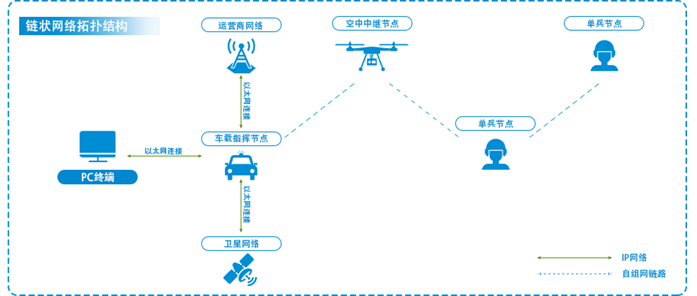
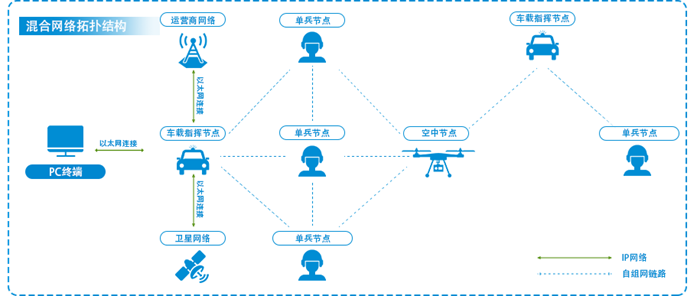
- Flexible Networking Infrastructureless self-organizing networking with flexible channel bandwidth; supports point-to-multipoint, chain relay, mesh, hybrid, and other topologies
Application Case
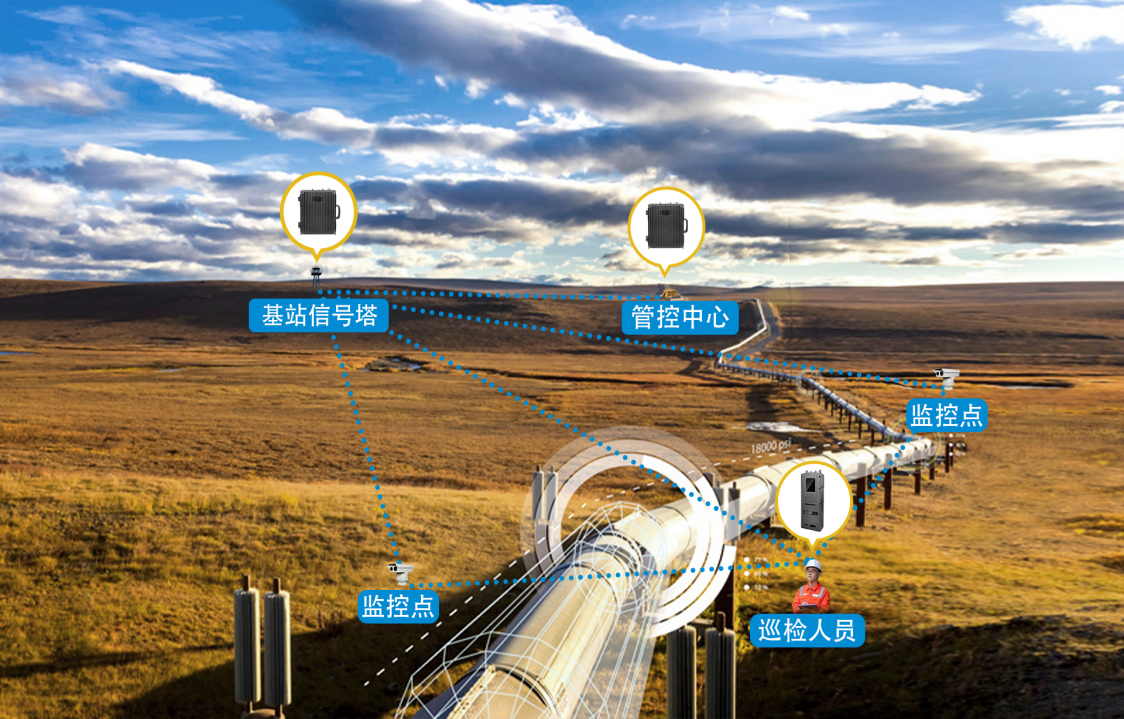
An oil pipeline inspection system consists of handheld MANET terminals, acquisition devices, base-station MANET nodes, and HD PTZ camera equipment. A base-station MANET node is deployed on a high tower. Inspectors carrying handheld MANET terminals communicate with the monitoring and control center via the wireless links between base stations and obtain real-time positioning. Meanwhile, acquisition devices detect micro-defects that are not visible to the naked eye. Connected to the base station, the acquisition devices enable long-distance transmission of monitoring data, allowing both the control center and field inspectors to view real-time conditions ahead—further improving inspector safety.
Networking Topology
Specifications
Wireless Specifications
| Operating Frequency | 1420-1520MHz |
| Channel Bandwidth | 5/10/20MHz adjustable |
| MIMO Mode | 2T2R |
| Waveform | COFDM |
| Peak Data Rate | 90Mbps@20MHz |
| Transmit Power | 2*2W |
| Receiver Sensitivity | ≤-100dBm |
| Networking | Infrastructureless / star / chain / mesh, etc. |
| Encryption | AES128/256 |
| Networking Capacity | Same-frequency networking ≥32 nodes |
Functional Specifications
| Positioning | BD+GPS |
| Wi-Fi | AP mode supported |
| Network Interface | Ethernet interface |
| Audio | PTT voice supported |
| Control | Mobile app and PC web management |
Physical Specifications
| Net Dimensions | ≤225*90*50mm |
| Net Weight | ≤1.2kg |
| Operating Temperature | -30℃~+65℃ |
| Operating Time | ≥6h |
| Ingress Protection | IP66 |