



ENTERPRISE ADVANTAGES

Building future-ready connectivity and network solutions

From product R&D to global delivery, we invest deeply in every key stage to help partners stay highly reliable, efficient and sustainable in a fast-changing market environment.

R&D

Strong technical foundation and R&D capability

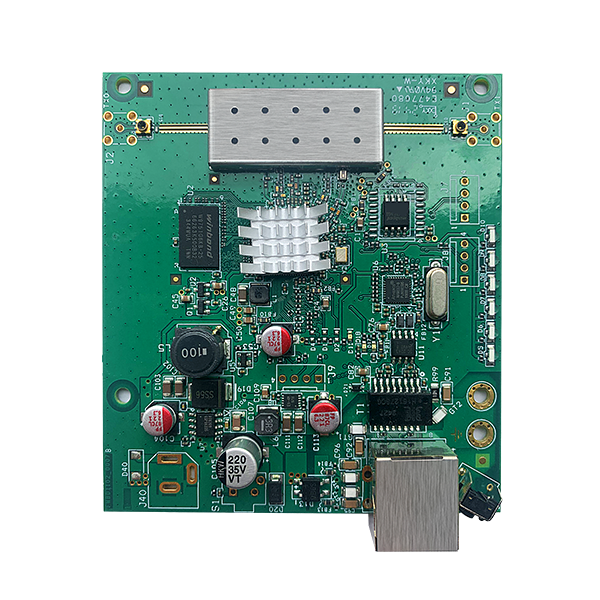
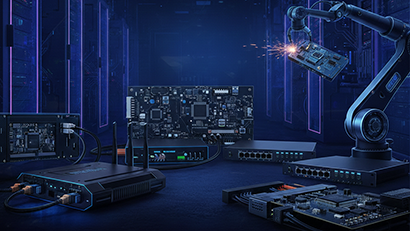
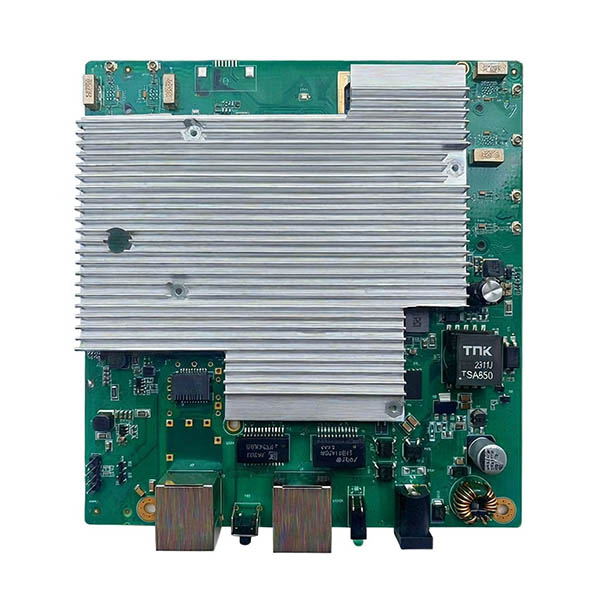
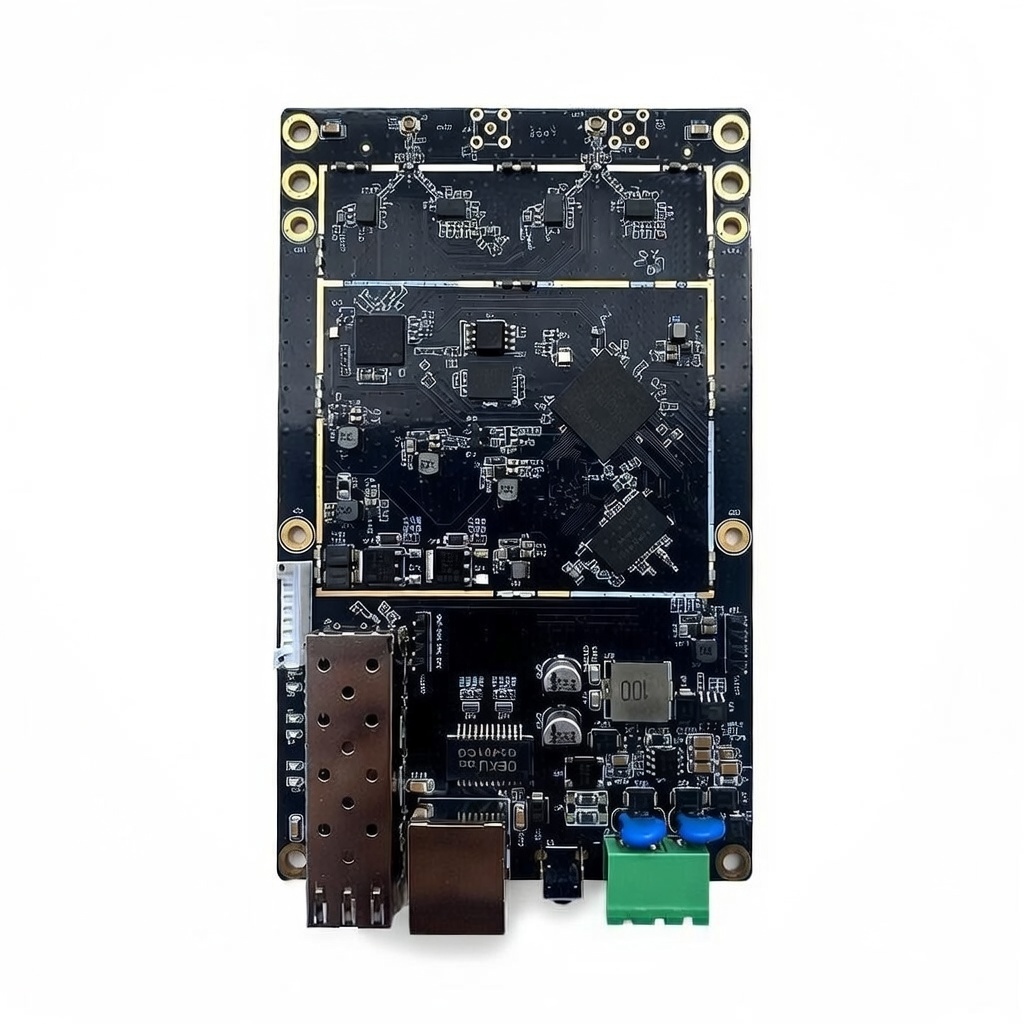
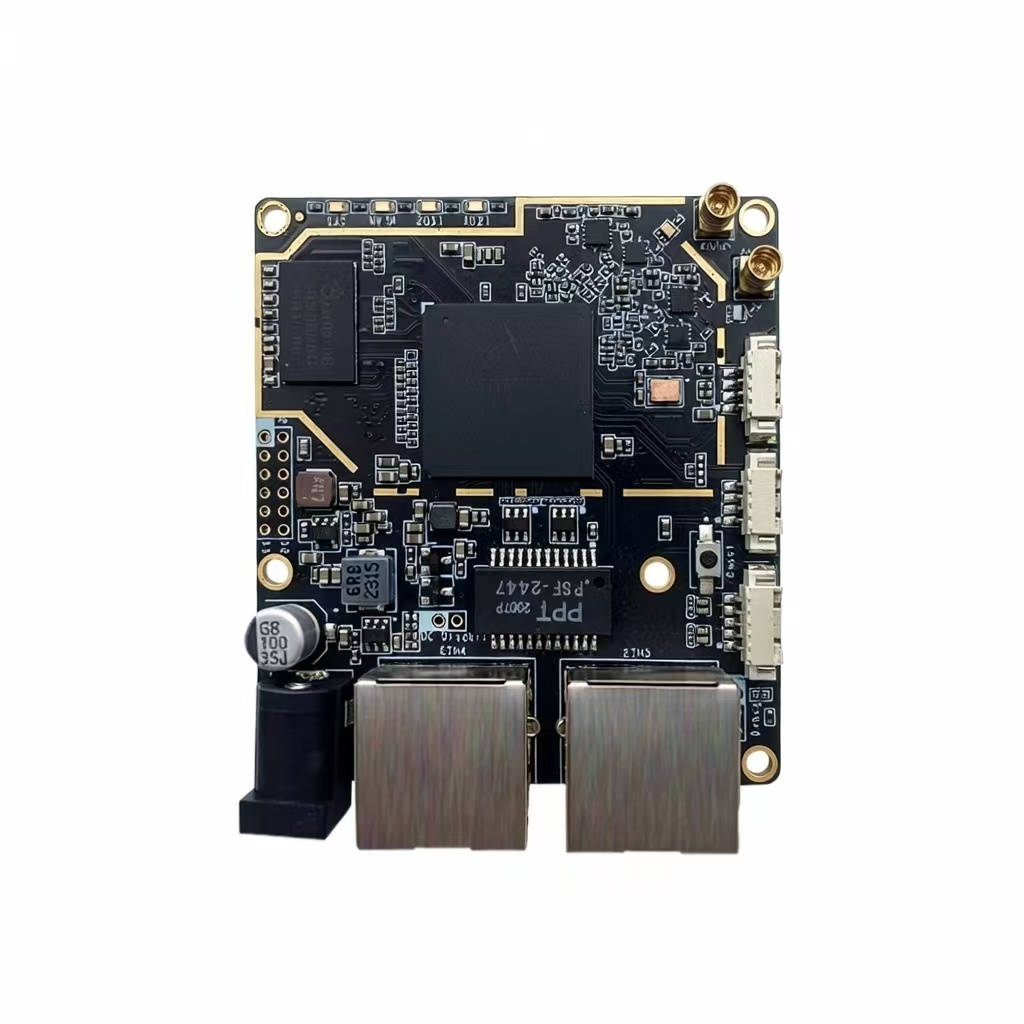
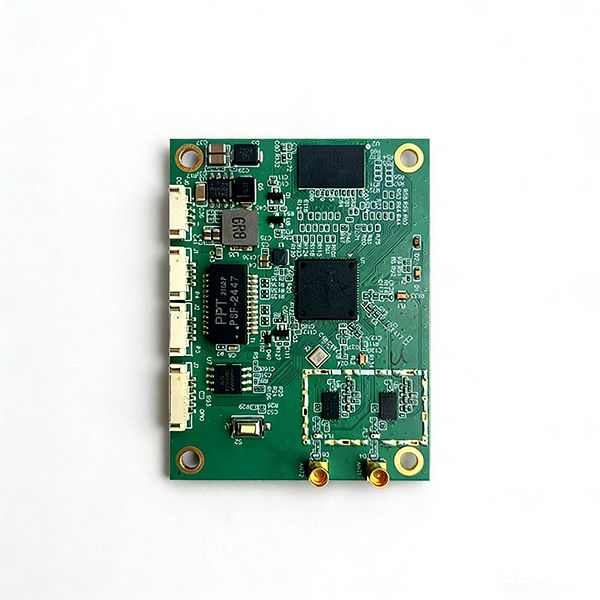
The core team comes from leading companies in telecom and power electronics, with end-to-end R&D capabilities from RF and embedded systems to cloud platforms, enabling fast response to complex custom projects.

Quality System

Rigorous quality system and reliability validation

Designs and tests follow international standards with full-process traceability and lifetime prediction, ensuring stable operation in harsh environments and reducing maintenance costs.

Mesh Device Application

Core Features

6GHz Band Technology

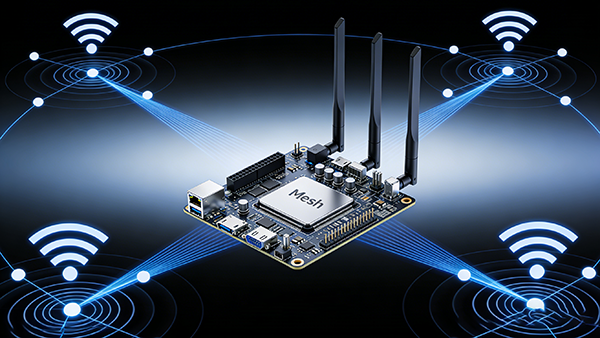
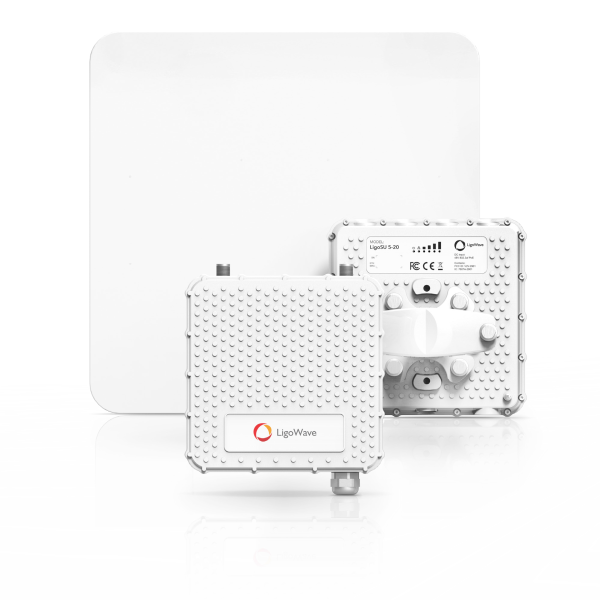
Adopts the new 6GHz frequency band with less interference and abundant channel resources. Compared with traditional 2.4G/5G bands, transmission stability is improved by more than 50%, supporting higher data rates.

50km-150km Long-Distance Transmission

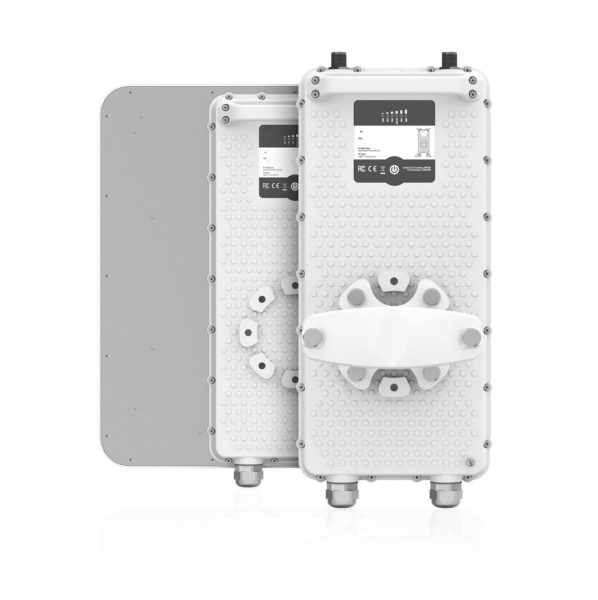
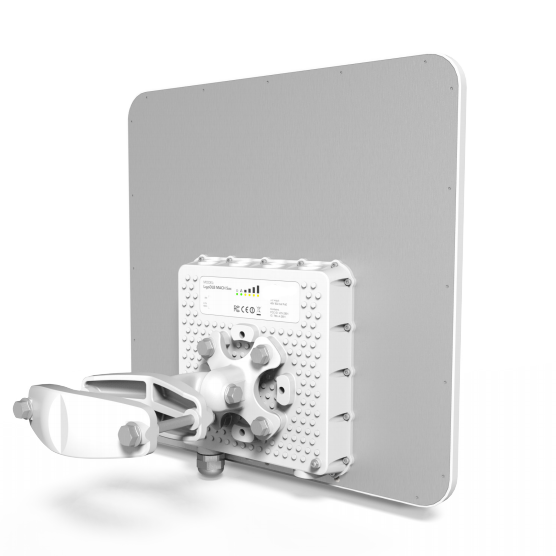
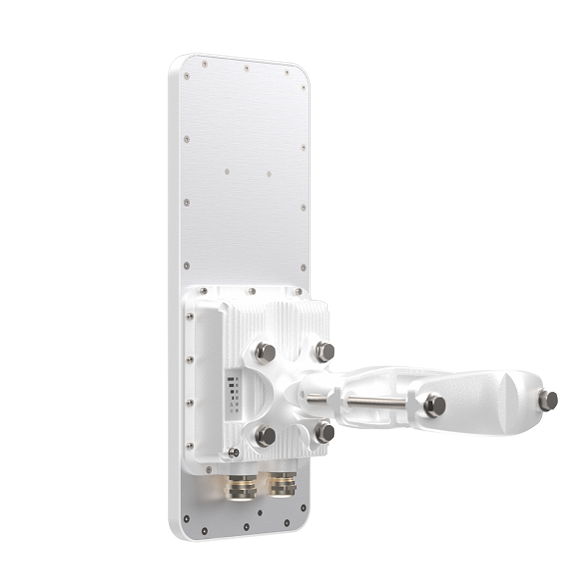
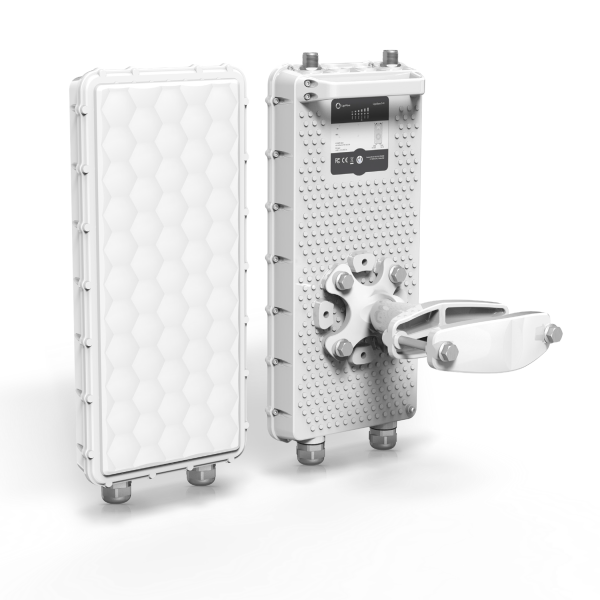
Equipped with high-gain directional antennas (28dBi/30dBi optional) combined with advanced signal amplification technology, enabling stable data transmission up to 50km under line-of-sight conditions, meeting long-distance networking needs.

High Bandwidth & Low Latency

Supports up to 2.5Gbps wireless speed with wired ports supporting 1000Base-T/100Base-TX. Transmission latency as low as 1ms, meeting high-frequency requirements such as 4K/8K video surveillance and real-time data backhaul.

Strong Anti-Interference Capability

Supports Dynamic Frequency Selection (DFS) and Adaptive Modulation and Coding (AMC) technologies, automatically avoiding interference bands. Maintains stable transmission in complex electromagnetic environments with packet loss rate below 0.1%.

All-Weather Adaptability

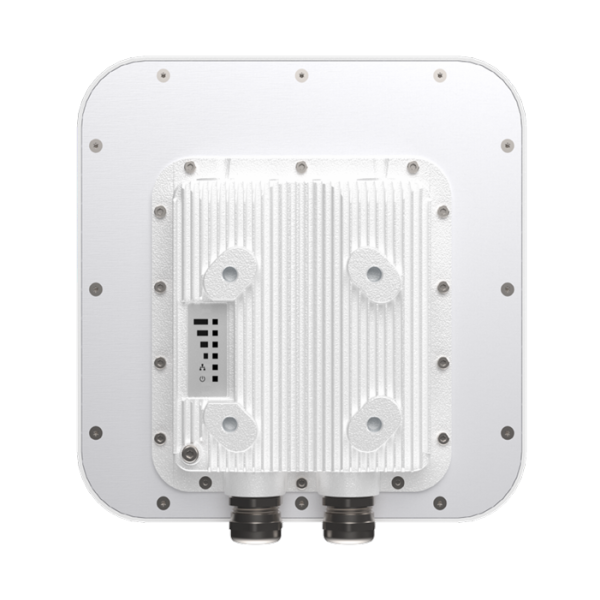
Industrial-grade design with IP67 protection rating, supporting -40℃~70℃ wide temperature operating environment. Resistant to heavy rain, strong winds, high temperatures, severe cold and other harsh weather, suitable for long-term outdoor deployment.

Intelligent Management

Supports web-based graphical management interface for remote configuration and device status monitoring (signal strength, bandwidth usage, temperature, etc.). Supports batch management and firmware upgrades, improving operation efficiency by 80%.

Hot Product

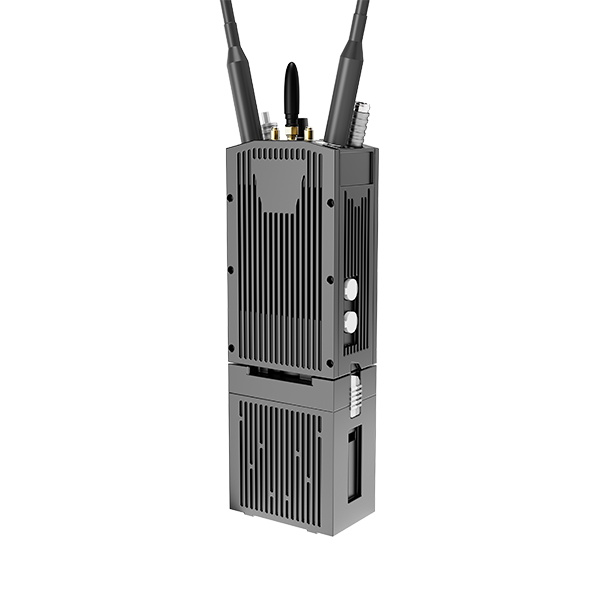
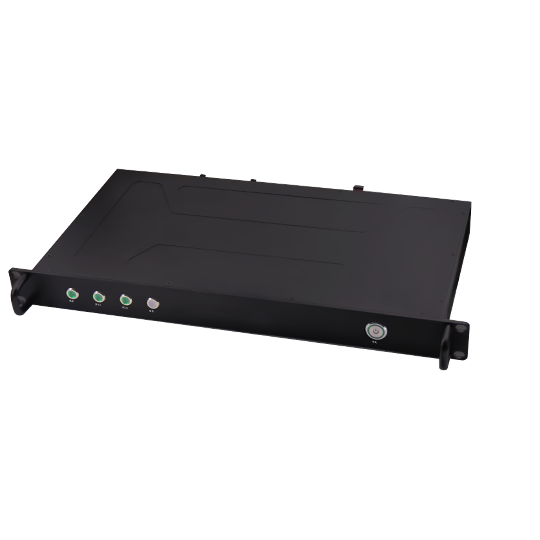
Product Introduction The mobile vehicle-mounted MANET/MESH device features a 1U...

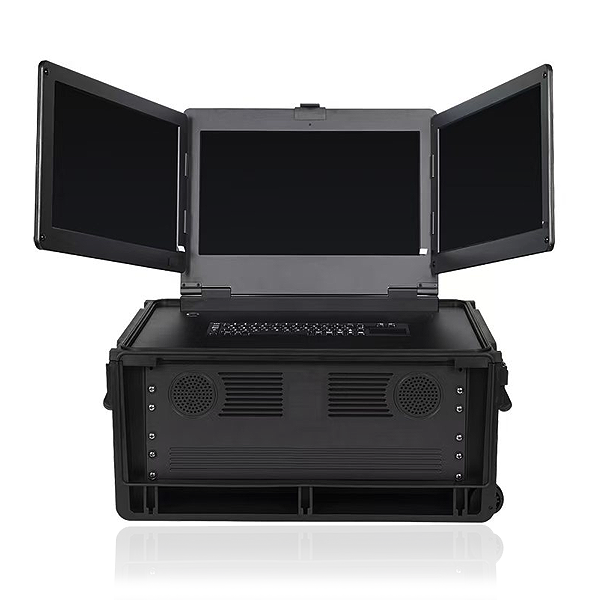
Product Overview The portable multifunction MESH MANET command-and-dispatch platfor...

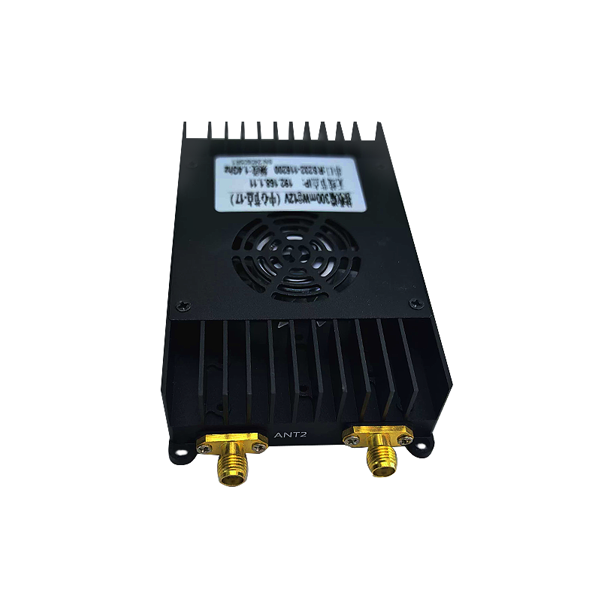
Product Overview The airborne broadband wireless MESH MANET product is our newly la...

Sales Country

Sales countries

Certificate

certificate
certificate
certificate
certificate

Solutions

High-Performance LigoWave Wirele...

This solution addresses the 150km wireless transmission requirements for high-altitude power grid construction projects (altitude ≥1500m), utilizing LigoWave PTP professional industrial bridges with a core "20km/hop" chain relay topology. It comprehensively resolves key challenges in high-altitude regions, including earth curvature, signal loss, and extreme environmental adaptation, while catering to real-time data transmission, video surveillance, and command dispatching needs for power grid construction. It fully complies with power grid construction safety regulations, providing a stable, efficient, and implementable wireless transmission solution for high-altitude power grid construction. Core application scenarios: High-altitude mountain power grid transmission line construction, high-altitude substation construction, and remote high-altitude power grid inspection data transmission. It solves the challenges of difficult fiber optic deployment, high costs, and long construction periods in high-altitude areas. Leveraging the industrial-grade protection and anti-interference capabilities of LigoWave PTP equipment, it achieves stable 150km transmission, ensuring the continuity and safety of power grid construction.
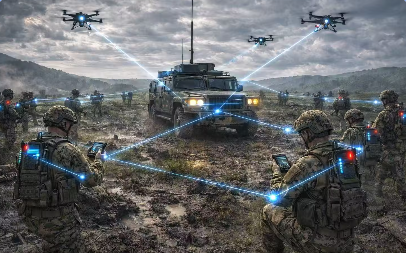

What Problems Do Mesh ad hoc Net...

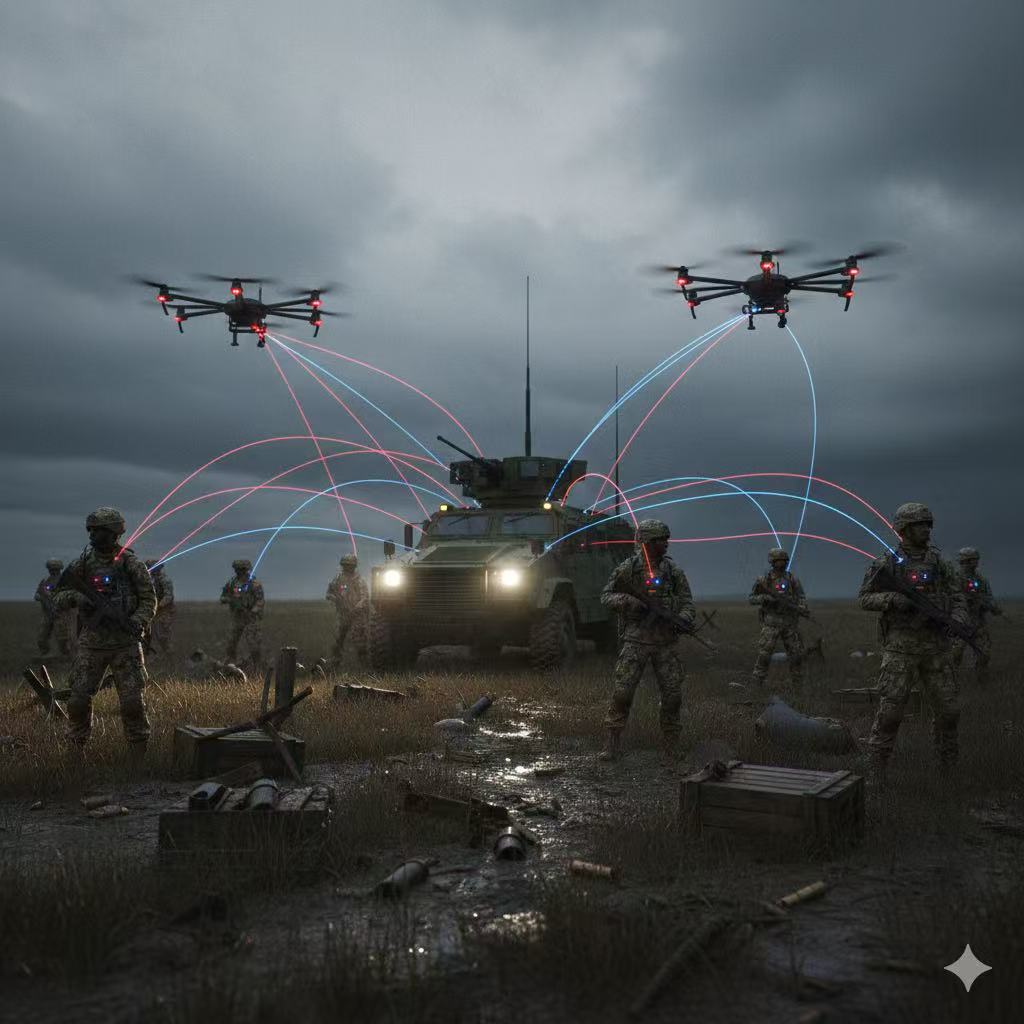
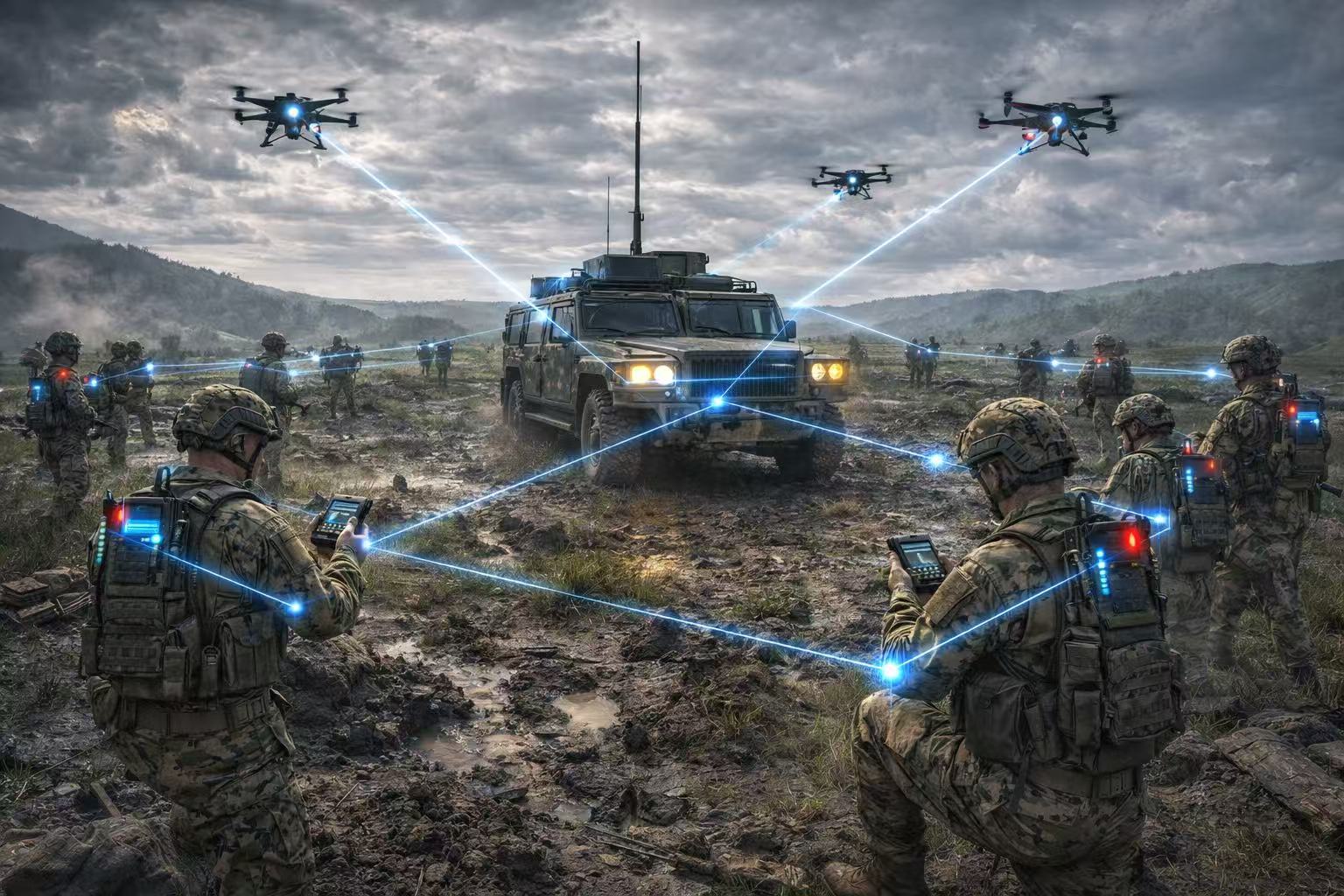
Mesh networking devices, commonly referred to as MESH devices, are wireless communication devices that form communication networks through automatic discovery and dynamic networking between device nodes without relying on fixed infrastructure. The technical origin can be traced back to the US military’s Ad Hoc networks in the 1970s, which later evolved into the Mesh technology we know today. However, the earliest wireless mesh network dates back to the ALOHA system in 1968, which was the earliest prototype. In 2001, companies like Intel formally proposed the Mesh wireless network architecture, providing a clearer development direction for this technology. The most prominent feature of these devices is their multi-hop relaying, centerless distributed structure, with self-organizing, self-healing, and strong anti-destruction advantages. They are now mainly used in emergency communications, firefighting and rescue, military coordination, and broadband communication scenarios in complex environments.

Mesh Ad Hoc network – a co...

In extreme scenarios such as natural disasters and accidents, public network communications are easily disrupted, while emergency command, on-site rescue, and industrial inspection work urgently require uninterrupted, highly reliable, and high-speed communication. The "Opinions on Strengthening the Construction of Emergency Communication Capabilities in Extreme Scenarios," jointly issued by the Ministry of Industry and Information Technology and fourteen other departments, clearly states the need to build a dedicated communication network that meets the needs of emergency operations and is interconnected with the public network, forming a collaborative emergency communication network capability system. The CHX-602 handheld self-organizing network communication device, as a core product in the field of decentralized network communication, leverages the distributed architecture advantages of decentralized self-organizing networks to perfectly meet national emergency communication construction requirements. It has become a powerful communication guarantee tool for multiple fields such as police, fire departments, power, and petroleum, providing a stable, secure, and transparent channel for multimedia data transmission in complex environments.

Qualcomm Dual-Band Industrial Mo...

The deep implementation of smart manufacturing and the Industrial Internet of Things (IIoT) has significantly increased the dependence of industrial sites on wireless communication. However, three major pain points—s...

Integrated Wireless Video Survei...

Solution Background Tunnel pipeline construction scenarios are characterized by **enclosed environments, long and narrow spaces, high mobility of construction points, and high difficulty in cabling**. Traditi...

News

Complete PCB Manufacturing Process: From Gerber Review to Finished Goods Shipment The ...

Ultimate PCB Grounding Guide: Signal GND, Power GND, Split GND, Guard GND, Single...

7 Golden Rules of PCB Layout – Self‑Checklist ✅ Are core signals routed in order: I...

FAQs

What is Mobile Mesh Ad Hoc Network? +
Mobile Mesh Ad Hoc Network is a decentralized, self-organizing wireless communication network where each node acts as both terminal and repeater, automatically establishing multi-hop routes. No fixed infrastructure required, supports rapid deployment. Nodes discover each other and form mesh topology automatically. Single node failure won't affect overall network stability.
What's the difference between Mesh Ad Hoc and consumer Mesh routers? +
Consumer Mesh routers rely on wired backbone or fixed power, mainly for indoor coverage. Professional mobile Mesh ad hoc networks support battery power, rapid deployment, node mobility and roaming, with stronger anti-interference capability and NLOS transmission, ideal for emergency, field and vehicular scenarios.
Does Mobile Mesh Ad Hoc Network need base stations? +
No base stations required. Mobile Mesh Ad Hoc Network adopts distributed architecture where all nodes collaborate equally and form network automatically. No fixed infrastructure dependency, network forms upon power-on. Ideal for field operations and emergency rescue without base station coverage.
What's the principle of decentralized Mesh network? +
Based on Ad Hoc technology, nodes automatically discover neighbors and establish connections. Distributed routing protocols (OLSR, AODV) dynamically calculate optimal paths. Packets automatically select available links for multi-hop transmission, enabling decentralized communication. Single point failure won't disrupt the network.
How many nodes can Mesh Ad Hoc Network support? +
Depends on device specifications and network design, typically supporting tens to hundreds of nodes. Large-scale deployment can adopt hierarchical Mesh architecture with separated backbone and access nodes.配合 intelligent channel planning, thousands of nodes can be supported stably.
What's the maximum transmission distance of soldier Mesh radio? +
Up to 3-10 km in line-of-sight (LOS) environment, depending on transmit power and antenna gain. High-gain antenna can extend to over 15 km. Communication can still be maintained through multi-hop relay in NLOS environments, suitable for field operations.
Can Mesh Ad Hoc Network work in NLOS environments? +
Yes. Mesh supports multi-hop relay allowing signals to bypass obstacles. With low-frequency bands (strong diffraction) and intelligent routing algorithms, communication can be maintained through node relaying even in building-obstructed, dense forest or tunnel environments.
Will Mesh network disconnect in high-speed mobile scenarios? +
No disconnection. Supports fast handover technology with millisecond-level link detection and route recalculation. Combined with TDMA technology, stable connection is maintained even at 120km/h, suitable for vehicular and high-speed rail scenarios.
Does Mesh support HD video transmission? +
Fully supports HD video. With Adaptive Modulation and Coding (AMC) and QoS priority scheduling, single-hop bandwidth can reach hundreds of Mbps, supporting real-time 1080P/4K video transmission.配合 low-latency optimization, meeting drone video and remote monitoring requirements.
How much does backpack Mesh equipment weigh? Is it portable? +
Lightweight design, typically 2-4 kg including battery. Ergonomic backpack system. Supports hot-swappable batteries with 8-12 hour endurance. Easy for single soldier to carry and deploy quickly in field operations.
How to install vehicular Mesh network? +
Multiple mounting options: magnetic roof antenna, bracket fixed or hidden installation. Supports DC 12-24V vehicle power, IP67 rated for outdoor use. Automatically connects to network on power-up, supports GNSS positioning for vehicle formation dynamic networking.
Can airborne Mesh be adapted for drone mounting? +
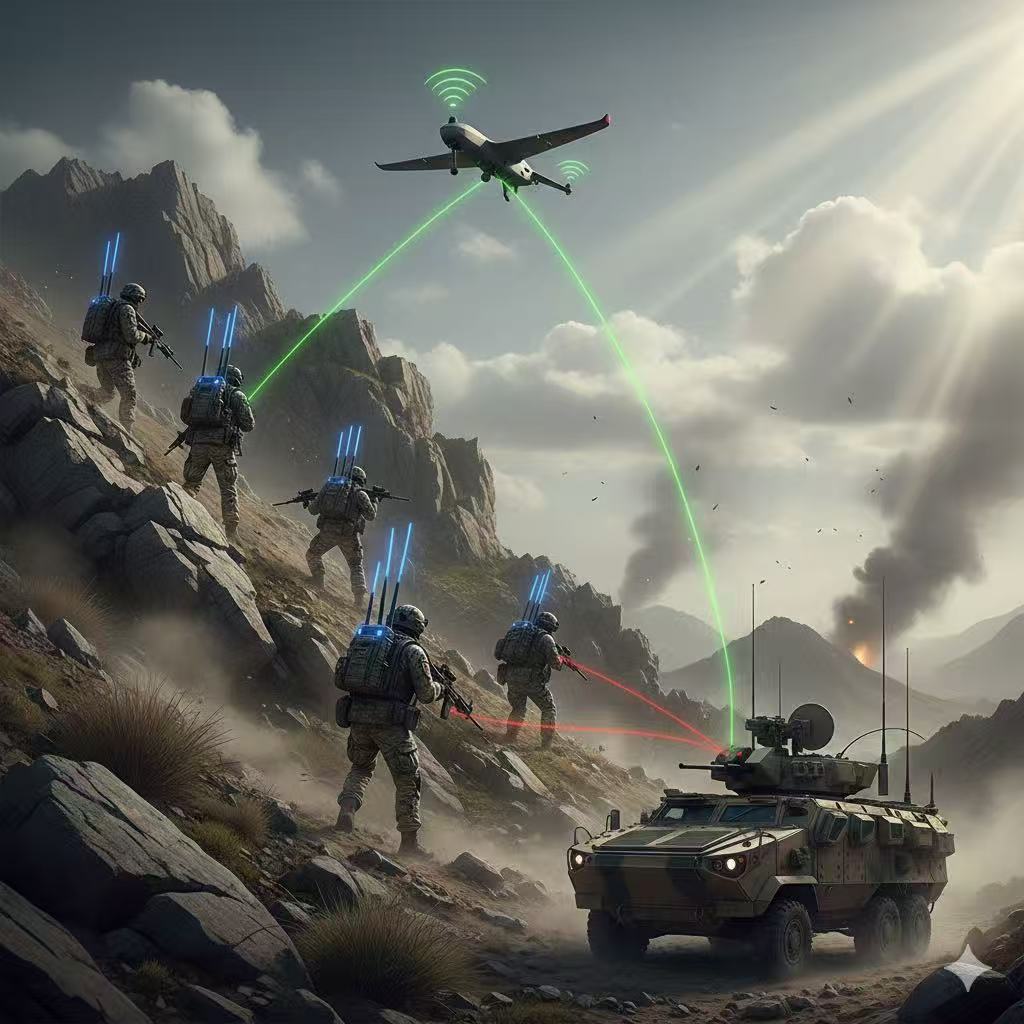
Yes. Lightweight drone-specific modules available, weighing only hundreds of grams, integrating with Pixhawk and other flight controllers. Supports high-speed movement and aerial coverage, acting as airborne relay to extend ground network coverage for air-ground integrated communication.
Can Mesh work in underground mining environments? +
Suitable for underground use. Low-frequency communication with strong penetration, explosion-proof certified equipment with intrinsically safe design. Multi-hop relay covers underground tunnels, enabling personnel positioning, video monitoring and voice dispatching for mine safety.
Can Mesh work in tunnels and urban canyons with signal obstruction? +
Yes. Mesh supports multi-hop relay, nodes can be deployed along tunnels or canyons forming chain networks.配合 intelligent routing algorithms selecting optimal paths automatically, stable communication maintained even in complex terrain, suitable for tunnel construction and urban emergencies.
What Mesh equipment is best for forest fire prevention? +
Recommended backpack and fixed monitoring combination. Backpack units for patrol teams, fixed nodes deployed on watchtowers for wide coverage. Supports thermal imaging video and personnel positioning, with solar power for long-term forest fire monitoring.
How to quickly deploy Mesh for fire rescue? +
Plug-and-play mode, network forms automatically on power-up. Firefighters carry personal terminals, command vehicles act as backbone nodes, drones as aerial relays. Integrated voice, video and data communication for rapid emergency network establishment at rescue sites.
What advantages does border patrol Mesh offer? +
Wide area coverage with mobile roaming, strong anti-interference capability for harsh environments. Beidou/GPS dual-mode positioning, encrypted communication for security. Low power consumption with long endurance for extended field patrols, enabling interconnection among patrol teams.
What advantages does Mesh have over walkie-talkies? +
Walkie-talkies only support voice with limited range. Mesh supports voice, video and data services with coverage extending infinitely through multi-hop relay. Dynamic networking and device mobility support, higher reliability and flexibility for complex scenarios.
What benefits does Mesh have over 4G/5G private networks? +
No operator infrastructure dependency, lower deployment cost with rapid flexibility.不受 base station coverage limitation, works in remote areas or disaster scenarios. Fully autonomous and controllable network with local data processing for enhanced security, ideal for independent communication requirements.
Can Mesh work during power and network outages? +
Yes. Mesh devices support battery power with 8-24 hour endurance, some models support solar charging. No external network dependency, nodes form autonomous network. Communication capability maintained during disaster-induced power and network failures.
Does Mesh deployment require professional debugging? +
No professional debugging needed. Plug-and-play devices automatically complete network discovery, route establishment and channel selection. Remote management platform supports centralized monitoring and configuration. Large-scale deployment supports batch configuration via templates, reducing operational complexity.
Can non-technical personnel operate Mesh equipment? +
Simple and intuitive operation. One-button power-on with automatic networking, user-friendly interface with voice status announcements. Basic operation achievable after brief training without professional communication knowledge, ideal for rapid emergency deployment.
Can Mesh equipment be customized for frequency and power? +
Customization supported. Operating frequency (UHF/VHF/microwave), transmit power and channel bandwidth can be adjusted per customer requirements. Software-defined radio (SDR) platform provided for flexible configuration, meeting regional regulations and specific scenario needs.
What's the latency of Mesh network? +
Single-hop latency typically 10-30ms, each additional hop adds ~10ms. With TDMA scheduling and optimized routing algorithms, end-to-end latency controlled within 100ms, meeting real-time voice and video transmission requirements.
Does bandwidth degrade significantly after multi-hop relay? +
Bandwidth decreases with hop count, but intelligent protocol optimization effectively mitigates this. Link aggregation and load balancing supported,配合 dynamic channel allocation maintains high bandwidth even after multiple hops, meeting HD video and high-bandwidth application requirements.
Will multiple Mesh networks interfere with each other? +
No interference. Automatic channel selection and dynamic frequency allocation supported, combined with FHSS technology enables multiple networks to coexist in the same area. Network isolation and encryption ensure independent operation for different organizations.
What anti-interference advantages does FHSS provide? +
Frequency Hopping Spread Spectrum (FHSS) avoids interference through rapid frequency switching. Signal energy spread across wide bandwidth reduces interception and jamming probability. Combined with error correction coding, reliable communication maintained in high-interference environments, suitable for complex electromagnetic scenarios.
How to set up temporary communication in remote areas without network? +
Deploy Mesh ad hoc equipment, network forms automatically on power-up. Multiple nodes deployed based on coverage requirements, supporting voice, video and data transmission. Battery and solar power supported, independent communication network established rapidly without infrastructure dependency.
What communication network for large event emergency command? +
Mesh ad hoc solution recommended. Portable base stations and personal terminals deployed to establish wireless coverage across event area. Interconnection among command center, field personnel and emergency vehicles enables voice dispatching, video transmission and data sharing for safe event operations.
Can Mesh equipment be OEM/ODM customized? +
OEM/ODM customization supported. Full-process services including hardware design, firmware development and enclosure customization. Function, appearance and packaging can be customized per customer requirements. Brand customization and technical support provided to meet industry-specific needs.